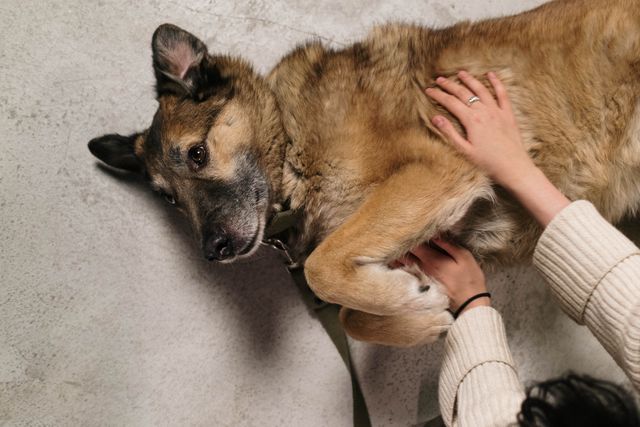
The path to a dog chiropractor appointment often plays out in a pretty predictable way. Your dog is showing signs that something’s just not right. Maybe they’re not jumping as high, or their walk seems a little off, or they complain when you touch their back. Standard vet care hasn’t turned up anything seriously wrong, or it’s identified some chronic issue with their musculoskeletal system, but it’s still not fully sorted. The dog’s not in a crisis situation, but you can tell something’s going on. That’s the clinical space where canine chiropractic really comes into its own. It’s when dogs are struggling with musculoskeletal issues that haven’t been properly addressed through standard vet treatment. Some manual therapy targeting the spinal and joint areas can make a real difference. When it comes to canine chiropractic, responsible practice is all about complementing, not replacing, traditional vet care. These practitioners work closely with vets, not instead of them.
What Actually Happens in a Session?
When you turn up to a canine chiropractic session, the first thing the practitioner does is assess the dog, not treat it. They take a good look from a distance at how the dog is standing, walking, and moving before getting hands-on. The person then uses palpation on the spine and major joints to see where there are areas of restricted motion or sensitivity that indicate there’s a structural problem. Treatment itself is all about using manual adjustments to help get the restricted spinal or joint areas moving again. A canine chiropractic adjustment is a bit more technical than you might think. It’s a controlled manual push on a specific joint, at a specific angle, to help loosen the area up and get motion back into it. It’s not the over-the-top manipulation some people might imagine. The forces used are tailored to the size and tolerance of the individual animal. The technique is way more nuanced than it looks.
Qualifications: What to Check
Canine chiropractic operates under a different regulatory framework here in Australia than traditional vet medicine does. You’ve got a couple of main certification paths to look at, the International Veterinary Chiropractic Association (IVCA) and the Australasian Veterinary Chiropractic Association (AVCA). Both of these require a postgraduate training course to be completed and either a veterinary or human chiropractic qualification as a starting point.
What the Evidence Base Looks Like?
To be honest, the evidence base for canine chiropractic is pretty thin compared to most other vet treatments. It just isn’t an old field yet, and getting research funded for animals is a real challenge. We do have a few studies and case series that have shown dogs with issues like slipped discs, hip problems and stiffness after surgery all benefiting from the treatment. Most of the studies are pretty small and not designed super well. While it’s good enough to suggest it might be worth trying in certain cases, you can’t rely on the evidence to tell you exactly what will happen with any given dog.
What to Expect After a Session?
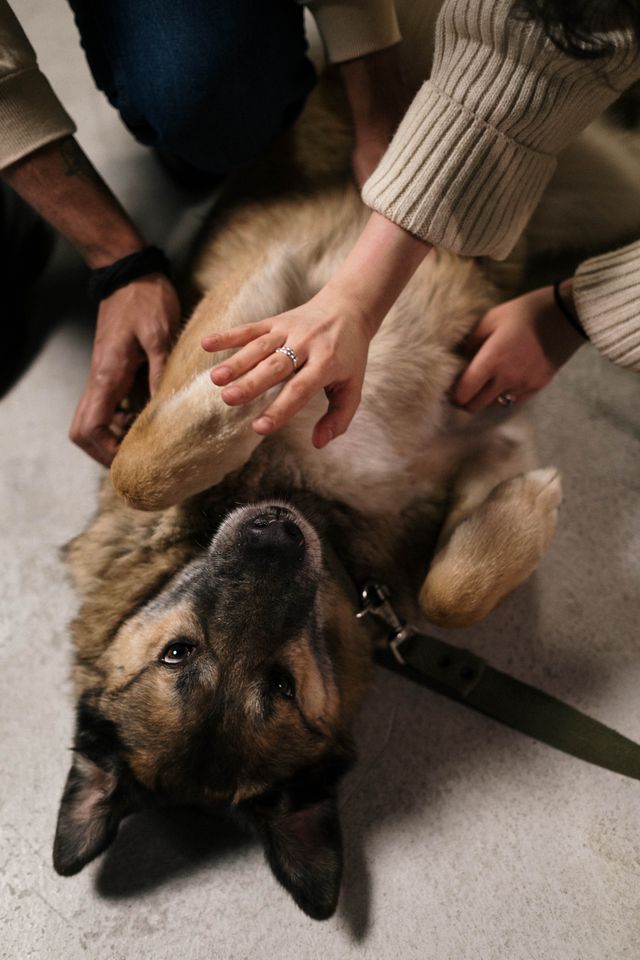
The way dogs react to treatment varies a lot. Some of them seem, literally within a few hours, to be moving around better and are generally just more comfortable after the treatment. Others can feel pretty stiff or tired the day after. This is actually a pretty normal reaction, not something to be worried about. When we’re working with a dog that’s got a long-standing musculoskeletal problem, we usually start with a bunch of appointments in quick succession. We then gradually spread them out as things start to settle down. To be clear, you shouldn’t expect miracles with just a single session. It’s not a magic fix for chronic issues. A responsible practitioner will set the bar pretty low right from the start, often before you even leave the second session.