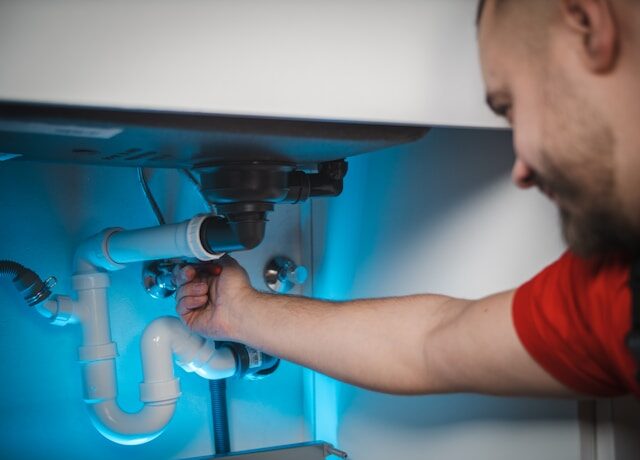
A plumbing emergency never happens at a good time. You might find that a washing machine hose breaks during dinner, a pipe bursts before work, or a toilet overflows when you have guests over. The first thing to do is grab towels and start moving things around, but a steady sequence can minimise damage and make the repair process easier to understand. First, determine what is going on. Is there clean water coming into the room? Is wastewater backing up? Is it just one fixture or multiple fixtures? Keep people away from slippery floors and electrical equipment. Knowing where the water shut-off valve is, and being able to get to it safely, may be more useful than trying to contain a never-ending leak.
Turn Anxiety into Helpful Information
If you need an emergency plumber Melbourne, clear information can save time at the beginning of the call. Where is the water coming from, how fast is it moving, what was happening just prior and has the supply been isolated. Instead of saying the plumbing has stopped working, say there are unusual noises, smells, recent renovations or previous trouble in the same area. Photographs can help if taking them does not put you in danger. A wide shot could show the room and water path, a close shot could show a connection or fitting. Don’t take fixtures apart, open up equipment or keep testing a problem that gets worse fast. The goal is to preserve the evidence but also to keep the situation stable.
Prioritise the Building over the Belongings
People run to salvage rugs, boxes and furniture, but the building also needs attention. Water can leak under floors, into cabinets and thru ceilings without you seeing the leak. Remove portable personal effects from the wet area, then test adjacent rooms and the floor below for staining, dripping or swelling. If the problem is wastewater, treat the area differently than you would for a clean supply leak. Keep children and pets away, avoid unnecessary contact and do not use connected fixtures until the cause is understood. If people keep flushing toilets, running taps or emptying appliances into the same drain, the blockage can get worse.
Include Access in Your Emergency Plan
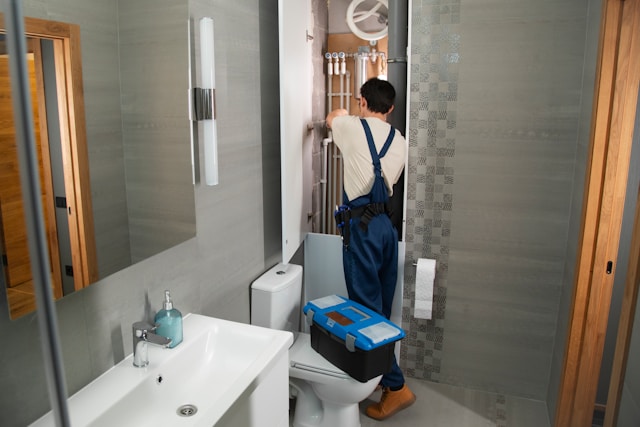
If the switchboard, meter, water shut off, affected cupboard or service area is covered by stored items the tradesperson is unable to quickly diagnose. In apartments, access may be limited by building management, locked plant rooms or shared service areas. It is practical to know who has the ability to open those areas for emergency preparedness. When the problem is fixed, keep a record of what you fixed and what caused the problem. Follow up work may be different for burst connection, deteriorated pipe, blockage or failed appliance. It is also easier to see a pattern if you keep the invoice and photographs with your household records in case another incident occurs months later.
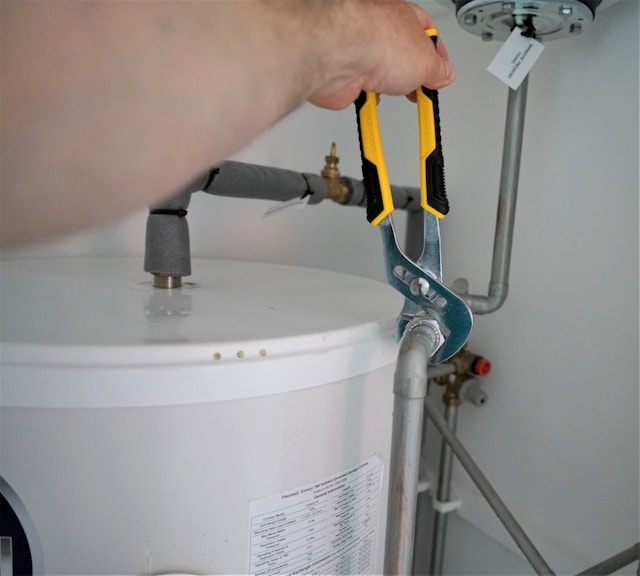
Homes prepared recover faster
The best emergency plan is simple enough to remember under pressure. Find the source. Isolate what you can safely. Protect people. Communicate clearly. And avoid makeshift fixes that cause new damage. A torch, easily accessible shut-off points, contact numbers for the building and a place for plumbing records can turn a chaotic leak into an organised problem.