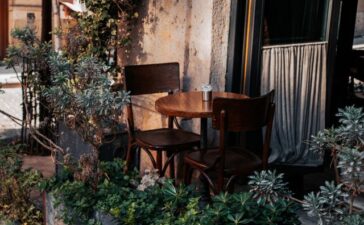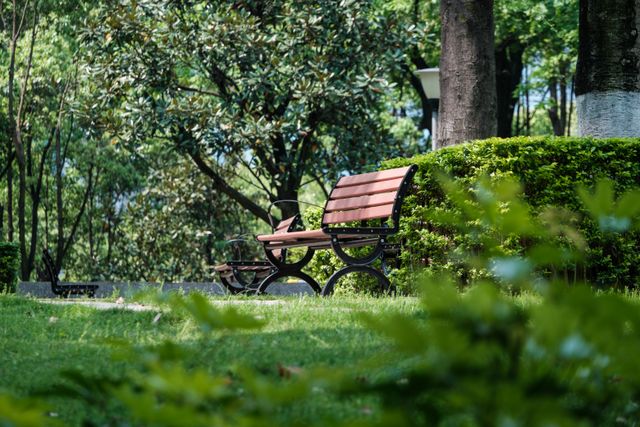
The street furniture seating problem isn’t usually with the product itself. Benches jammed up against blank brick walls with their backs to the street, plopped out in the open without any shade close by, tend to go unused no matter how well they are made. It’s all about where we put the things that people are supposed to sit on that’s the issue. That’s the element that gets almost entirely overlooked when we’re talking about making a product spec just one of the many ways that our investments in seating often go wrong.
Anti-loitering design fiddles have been getting a bit of a roasting from people in Australia’s councils in recent years. Armrest dividers put along the benches to stop people from lying down do what they’re supposed to do, but they make it a real pain for older adults, people with dodgy hips or backs, or anyone with a bag to carry. Australia has this Standard AS 1428.2 which sets out the bare minimum requirements for accessible public seating, from seat height to backrest angle to armrest positioning. Problem is, heaps of the existing installations particularly the ones that are ten years or older aren’t even meeting these basic standards. When councils go to replace the old stuff, it’s a chance to fix these problems without having to do any extra structural work.
Material Choice: What Works in the Australian Climate?
Powdercoated steel is by far the most popular choice for public seating that’s going to get used a lot, because it strikes a good balance between cost, strength and longevity. But it’s not just about what you choose for the base material the finish is just as important. A cheap powdercoat finish will start to fade and chalk in just a couple of years out in the Australian sun, whereas the good stuff that’s polyester or thermosetting powders will keep its colour a lot longer.
Anodised aluminium is a smart choice for the coast or places with a lot of humidity because the oxidised layer is built into the material, not just slapped on top.
In Melbourne and Sydney, you often see Blackbutt timber and acacia woodgrain finishes on aluminium frames. This puts a bit of warmth into the public spaces without requiring as much maintenance as raw timber would need.
Recycled plastic composite slats are becoming pretty popular in places where vandalism and longevity are a concern they don’t splinter, don’t need oiling, and aren’t affected by the moisture that causes timber to warp up in wet conditions.
Design Families and Modular Systems: Thinking Beyond the Single Bench
Having a design family that you can use across a lot of different items like benches, tables, bin enclosures and planters helps to create a cohesive feel without having to make every single item custom. The Ribbon and Linea ranges from Felton Industries are good examples of design families that include multiple components and finish options the result is a precinct that looks like it’s been put together with some thought rather than just a bunch of random bits and bobs from different places.
Modular seating systems are also useful because you can rejig the layout as the usage patterns change over time which is a must for precincts that are getting staged overhauls.
Fabricators in Melbourne like TRJ Engineering Group and Mechcon Welding can also put together custom configurations L-shaped arrangements and integrated planters where a straight catalogue item just wouldn’t cut it in the surrounding architecture. Street furniture seating that’s specified within a proper design family creates a streetscape that looks put together rather than just a bunch of bits thrown together that’s what urban designers and council planners are starting to demand.
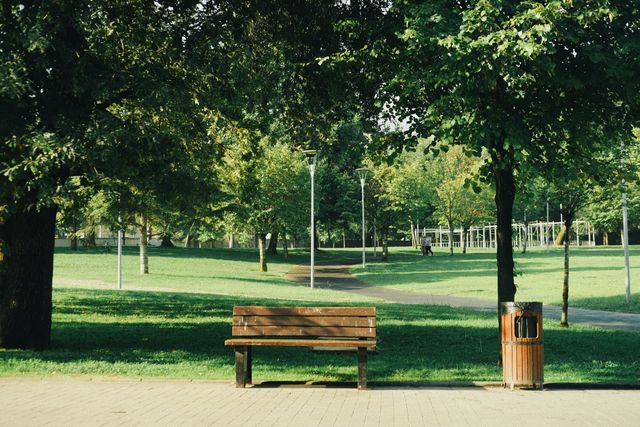
Considerations in Procurement by Councils and Landscape Architects
Specify colours for finishes that complement the street’s colour palette and do not use black as a default. Black is the most specified colour in Australia in seating but the colour will absorb heat to make the seat unbearable during some parts of the year; dark grey or slate would be preferable in terms of thermal properties.
When considering fixings, ensure ease of maintenance is factored into the specification. Removable timber slats are easier to replace in case of vandalism or wear and tear than welded composite fixings which would necessitate removing the whole seat structure. Check for lead times in the planning stage especially for custom colours which might take two to four weeks extra time. It is advisable to request a sample or pay a visit to one installed somewhere else because it clarifies more than any specification could.