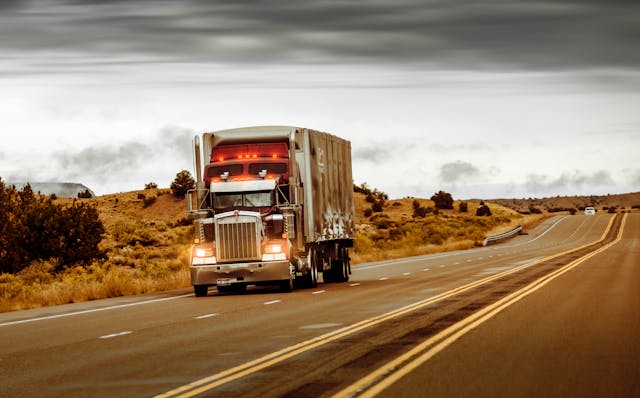
Road freight is one of the most important parts of Australia’s economy because the country is so big and has so many different types of land. Every day, trucks travel thousands of kilometres from coastal cities to remote inland communities to make sure that commodities get to their destinations safely and on schedule. The trucking industry keeps businesses going by transferring fresh fruit, mining equipment, retail goods and building supplies.
There are large highways that connect key cities like Sydney, Melbourne, Brisbane, Adelaide, and Perth. This makes road transit more flexible than some other freight choices. Trucks can get to places in the countryside and the regions where rail or maritime freight might not be available. This ease of access makes road freight especially useful for small and medium-sized businesses who need delivery on time to keep their businesses running and their customers happy.
How interstate truck transit helps trade between states
Truck transport interstate is very important for connecting Australian enterprises across state lines. Trucking firms help make supply chains more efficient and cut down on the number of times goods need to be handled by providing direct, door-to-door services. This cuts down on delays and minimises the chance of damage to items, which is very crucial for shipments that are fragile or worth a lot of money.
Interstate trucking also lets you change your schedule. Depending on their demands and budget, businesses can choose between full truckloads and shared freight services. This flexibility makes sure that merchandise gets to where it needs to go on time, which is important for businesses with tight deadlines like retail and manufacturing. Companies can keep their inventory levels steady, prevent expensive delays, and fulfil the needs of Australian consumers who want rapid and reliable delivery more and more.
Helping communities and businesses in the region
Trucking services are a lifeline for areas outside of big cities. For example, farmers rely on road freight to get their products and animals to markets all throughout the country. Heavy haulage trucks are used to move equipment and supplies between mining sites and ports in Western Australia and Queensland. Many businesses would have a hard time running smoothly without good roads and reliable transportation.
The trucking industry also offers a lot of jobs all around Australia. Drivers, logistics coordinators, warehouse workers, mechanics and office workers all help keep goods moving smoothly. These roles not only support families and local economies but also strengthen the broader supply chain that underpins the nation’s economic growth.
Accepting safety, technology, and sustainability
Safety is still the most important thing in Australia’s road freight industry. There are strict rules about how to deal with driver fatigue, keep vehicles in good shape, and keep loads safe so that both drivers and other people on the road are safe. More and more modern fleets include advanced safety features including lane departure warnings and real-time monitoring systems. These features assist lower the dangers on long-distance travels.
The sector is also changing to meet environmental standards. To cut down on emissions, a lot of transportation businesses are buying fuel-efficient cars, better route planning software, and other energy sources. Digital tracking technologies have also made things more open, which helps businesses keep an eye on shipments and manage their work better. These new ideas are making the future of road freight more sustainable and efficient.
Interstate trucking that works well is more than simply a way to get things from one place to another; it is an important aspect of Australia’s infrastructure. The trucking industry keeps the economy moving forward by connecting cities, supporting regional businesses, and welcoming new ideas.