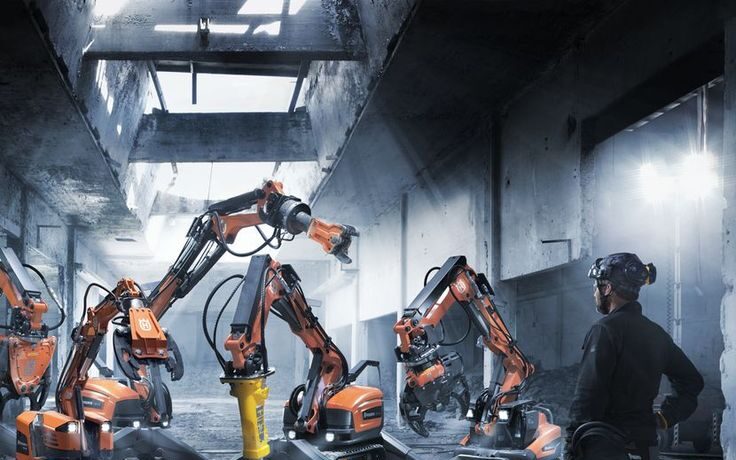
Demolition has come a long way from the days of manual labor and wrecking balls. As technology advances, so too do the methods we use to tear down structures. Enter robotic demolition—an innovative approach that is changing the landscape of construction and deconstruction. These advanced machines are designed not just for brute force but for finesse, allowing us to dismantle buildings with incredible precision while enhancing safety standards on site.
Imagine a job site where human workers can focus on oversight while robots handle heavy lifting and dangerous tasks. This shift doesn’t just streamline operations; it revolutionizes how we think about demolition itself. Let’s dive into how robotic demolition is raising the bar by improving safety and ensuring meticulous execution in every project.
The Evolution of Demolition Techniques
robot demolition has come a long way from the days of manual labor and rudimentary tools. Early methods relied heavily on brute strength, with workers using sledgehammers and chisels to dismantle structures piece by piece. This was not only time-consuming but also dangerous.
As technology progressed, so did demolition techniques. The introduction of explosives revolutionized the field in the mid-20th century. Controlled detonations allowed for rapid, large-scale demolitions but presented significant risks if not executed properly.
The late 1990s saw a shift towards mechanical equipment like excavators fitted with specialized attachments. These machines increased efficiency while reducing hazards associated with traditional methods.
Today, robotic demolition stands at the forefront of innovation. With advanced sensors and remote operation capabilities, robots can navigate complex environments safely, offering precision that human operators simply cannot achieve alone. This evolution reflects an ongoing commitment to safety and effectiveness in construction practices.
Advantages of Robotic Demolition
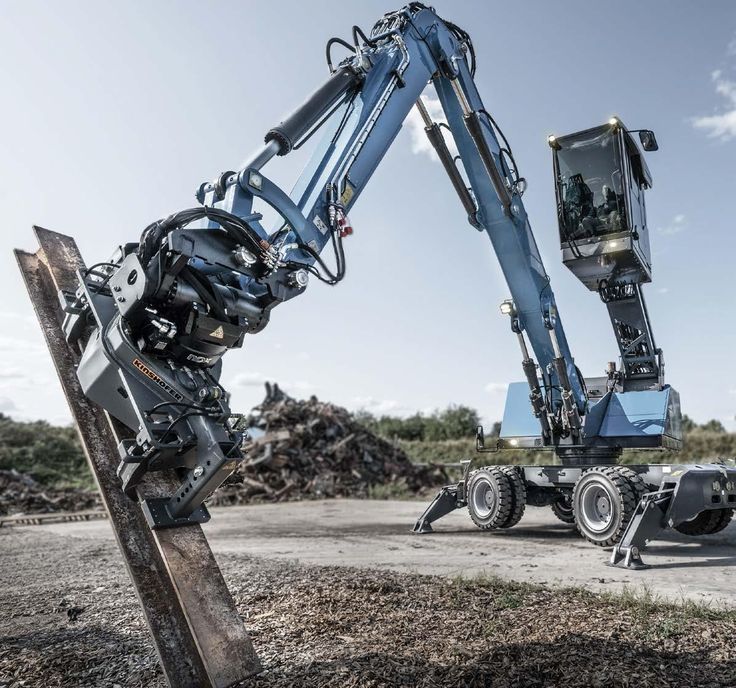
Robotic demolition brings a host of advantages to modern construction projects. These robotic systems are designed for heavy lifting and precise operations, making them invaluable on complex job sites.
One significant benefit is their ability to work in hazardous environments. With robots handling the most dangerous tasks, human workers can focus on oversight and strategy from a safe distance.
Additionally, robotic equipment enhances speed and efficiency. Tasks that once took days can now be completed in hours, reducing overall project timelines significantly. This rapid execution translates into cost savings for contractors and clients alike.
Moreover, these machines produce minimal debris compared to traditional methods. Their precision cuts down on waste, promoting sustainable practices within the industry.
Operating with advanced technology allows for real-time monitoring and data collection during demolition processes. This capability ensures better planning for future projects while improving safety measures along the way.
Safety Benefits of Robotic Demolition
Robotic demolition significantly enhances safety on construction sites. Traditional methods often expose workers to hazardous conditions, from falling debris to toxic materials. Robots eliminate many of these risks.
Equipped with advanced sensors and cameras, robotic systems can navigate challenging environments. They assess structural integrity without putting human lives at stake. This technology allows for remote operation, ensuring that operators stay at a safe distance while performing demolition tasks.
Moreover, robots can manage unpredictable situations better than humans can. Their programming enables quick responses to changing conditions or emergencies. This adaptability reduces the likelihood of accidents occurring during operations.
By minimizing direct human involvement in dangerous tasks, robotic demolition sets new standards for workplace safety in the construction industry. It fosters a safer environment where efficiency does not come at the cost of worker well-being.
Precision and Efficiency in Demolition Projects
Robotic demolition brings a level of precision that traditional methods simply cannot match. These machines are designed to focus on specific areas with remarkable accuracy, which is essential in complex urban environments where space is limited and structures are closely packed together.
The ability of robotic systems to execute intricate tasks reduces the risk of collateral damage. Operators can control these machines remotely, allowing them to work from a safe distance while ensuring that every move is calculated and deliberate. This not only protects surrounding buildings but also minimizes the impact on nearby communities.
Efficiency goes hand-in-hand with precision. Robotic demolitions often lead to faster project completion times due to their speed and automation capabilities. Traditional methods might require multiple workers for various tasks, increasing labor costs and time spent onsite. In contrast, robots streamline processes by performing several functions—like breaking down materials or sorting debris—all at once.
Moreover, less downtime means projects stay on schedule more easily. By utilizing robotics, companies can keep things moving without sacrificing quality or safety standards.
These advancements position robotic demolition as a transformative approach for future construction endeavors—one that prioritizes both effectiveness and responsibility within our built environments.