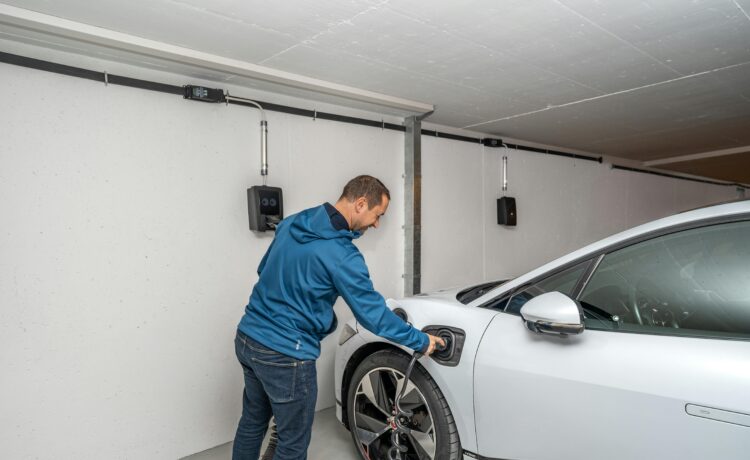
As the world shifts towards sustainable energy, electric vehicles (EVs) are becoming more popular. With this rise comes a pressing need for convenient and efficient charging solutions right at home. Imagine waking up each morning to a fully charged vehicle, ready for whatever your day has in store.
Setting up a home charging station can seem daunting, but understanding the options available makes it much easier. Whether you’re an avid EV enthusiast or just starting to explore your options, knowing how to navigate through the costs and types of setups is essential. Let’s dive into what you need to know about creating your own electric oasis at home!
Types of Home Charging Setups
When it comes to home charging setups, there are a few main options to explore. Each type has its own benefits and considerations, especially when reviewing an ev charger installation cost guide for sydney homes.
The most common choice is the Level 1 charger. This option uses a standard household outlet. It’s convenient but typically offers slower charging speeds, often adding just a few miles of range per hour.
For those seeking faster recharges, Level 2 chargers are ideal. These require a dedicated circuit and can significantly reduce charging time, providing up to 25 miles of range per hour. Many homeowners opt for this setup due to its efficiency.
There’s also the DC fast charger for electric vehicle enthusiasts who need rapid refueling capabilities at home. However, this type involves higher installation costs and complex electrical work that may not be feasible for every residence.
Each setup caters to different lifestyles and driving habits while emphasizing convenience or speed over cost.
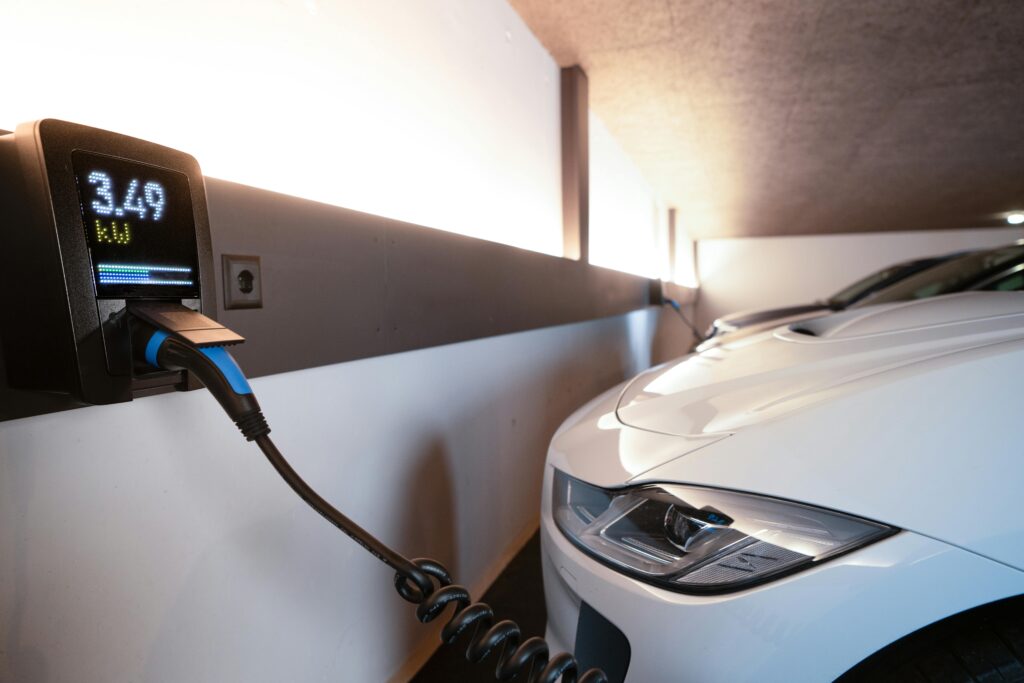
Cost Breakdown of Each Type of Home Charging Setup
When considering home charging for electric vehicles, the costs can vary significantly based on the setup you choose.
For a standard Level 1 charger, which plugs into a regular outlet, installation is minimal. Expect to pay around $300 to $600 for equipment and any necessary upgrades.
Level 2 chargers are more popular among EV owners. The unit itself usually ranges from $400 to $800. Installation costs can add another $500 to $1,500 depending on electrical work needed at your home.
If you’re looking at fast-charging options or specialized installations, prices climb higher. These setups might cost upwards of $2,000 due to extensive rewiring and additional permits required.
Don’t forget about maintenance as well! While most systems require little attention, occasional checks ensure everything runs smoothly without surprises later on.
Factors to Consider When Choosing a Home Charging Setup
When selecting a home charging setup, the first factor to consider is your vehicle’s compatibility. Different electric vehicles support various charging levels. Ensure that the charger you choose aligns with your EV specifications.
Next, think about your daily driving habits. If you frequently drive long distances, a Level 2 charger may be more beneficial for quicker recharge times. However, if you’re mostly commuting short distances, a standard outlet might suffice.
Space availability is also crucial. Assess where you plan to install the charger and whether it can accommodate necessary wiring or modifications.
Don’t forget about installation costs and requirements too. Some setups need professional installation which can add to overall expenses.
Check local electricity rates as they vary significantly by region. This could affect your overall energy bills when using an at-home charger regularly.
Government Incentives and Tax Credits for Home Charging
As the electric vehicle market continues to grow, so does the focus on supporting infrastructure. One of the most appealing aspects of installing a home charging setup is the availability of government incentives and tax credits.
Many states offer rebates or grants that can significantly reduce your initial investment in a home charger. These programs vary by location, often depending on whether you live in urban or rural areas. It’s essential to research what your state provides and how it applies specifically to residential charging stations.
On a federal level, there are also tax credits available for purchasing EV chargers. The IRS allows taxpayers who install qualified equipment at their homes to claim up to 30% back as a tax credit. This can help offset installation costs considerably.
Keep an eye out for local utility companies as well; some provide additional rebates for homeowners who switch from traditional gasoline vehicles to electric ones. They may even offer discounted rates during off-peak hours for those with home charging setups.
Staying informed about these financial aids not only makes owning an electric vehicle more affordable but also encourages sustainable energy practices within communities. Investing in an efficient home charging system could result in significant savings while contributing positively to environmental initiatives around you.