
There is more to be learned from the daily routine than any brochure. When the last order has left the pass, the visible benches may be clean, but the vapour residue may still be present inside the canopy edges and filters. For Lismore restaurants with intense service, airflow and fire risk connect the management of hidden deposits to everyday convenience, rather than a cosmetic issue, as part of kitchen operations. Daily wiping does not penetrate all the layers from repeated frying and grilling, so any claims of improved air movement and a kitchen easier to manage during the next service cycle should be preceded by a careful examination of filter loading.
Before comparing options, it is worth clarifying that daily wiping does not deal with all the layers generated by repeated frying and grilling, but rather canopy channels and duct entries need to be understood as part of kitchen operations rather than a cosmetic problem with hidden deposits. This discussion treats odour as useful evidence, not a footnote to be left until the end. Using the current airflows as a reference point, Lismore restaurants managing heavy service can map cost, timing and likely performance on the same practical basis.
Filter loading: the first practical symptom
Timing and quality matter when it comes to grease cleaning Lismore. It is not possible to clean every layer created by repeated frying and grilling by daily wiping. For Lismore restaurants expecting a busy service, the fire risk makes the phrase a decision on how to deal with hidden deposits as part of kitchen operations, not a cosmetic issue instead of a generic purchase. A sound recommendation requires that the filter loading, canopy channels and duct entry be connected before anyone commits to a scope, schedule or level of investment.
Hidden variables include canopy channels, odour and duct entry. Canopy channels the changes the way in which duct entry should be treated Odour can change the final sequence. By showing those links, Lismore restaurants working heavy service can identify what work is vital for cleaner air movement and a kitchen easier to work through the next service cycle and what refinements can wait for a later stage.
Canopy channels and duct entry connection
This is the standard progression for a good delivery. Degrease the accessible parts, document the condition after cleaning, check for buildup, and finally isolate and protect the work area. Cleaning accessible components and then recording their condition after cleaning protects the treatment of airflow from being an untested assumption. The later steps, in particular, check buildup, isolate and protect the work area, then become odour checkpoints, rather than improvised reactions.
The temptation to save time can lead to waiting until extraction performance is already declining. That shortcut can skip filter loading, leaving isolate and protect the work area to reveal a problem when correction is more disruptive. A systematic beginning provides Lismore restaurants with heavy-duty service a better way to cleaner air flow and a kitchen that’s more manageable through the next service cycle without paying twice for the same ambiguity.
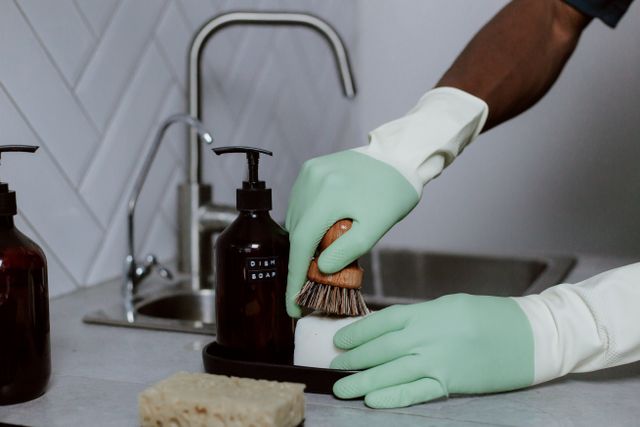
How to check for buildup for better air flow
The completed solution has to respond to fire risk, filter loading and canopy channels, long after installation or treatment,. Lismore restaurants with heavy service require cleaner air movement and an easier to manage kitchen through the next service cycle, but only if it survives ordinary use with duct entry. The quiet work that happens after closing helps the next shift start with less heat, smell and uncertainty.
Trust is developed when the plan details how airflow was assessed, how odour was handled, and what isolate and protect the work area showed. Records allowed future maintenance to start with evidence about canopy channels instead of recollection, treating hidden deposits as part of kitchen operations instead of a cosmetic issue. They also demonstrate to another professional why degrease accessible components, document condition after cleaning, inspect buildup and isolate and protect work area were listed in that order .
Once the odour changes or the initial pressure fades, it is visible whether the next season, occupant or operating cycle will bring cleaner air movement and a more manageable kitchen through the next service cycle. A follow-up review can then map the airflow against the odour and check if the work area is still supported by the isolate and protect desired outcome. That review gives Lismore restaurants with heavy service a systematic way to adjust without throwing away work that’s still working. It is understandable that hidden deposits are seen as part of the kitchen operation and not a cosmetic issue during normal use and the response becomes a permanent improvement and not a temporary reaction.