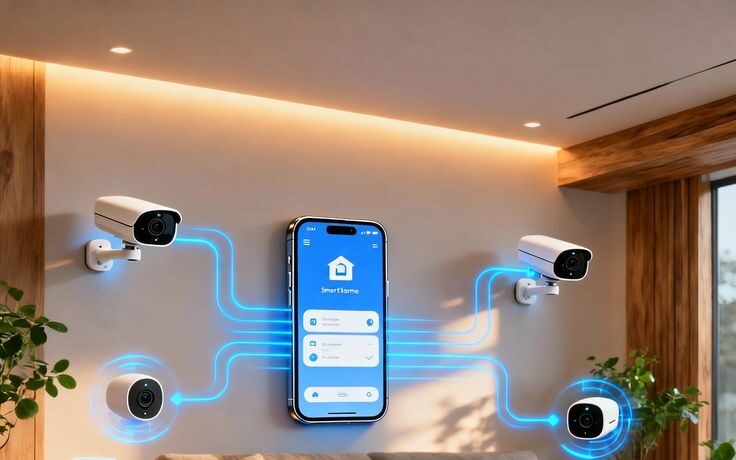
Home is where we feel safest, but how can we ensure that safety extends beyond mere feelings? Enter indoor cameras. These modern devices have revolutionized home security, making it easier than ever to keep an eye on what matters most. Whether you’re at work or enjoying a weekend getaway, the peace of mind that comes with knowing your home is being monitored is invaluable. With advanced technology and user-friendly features, indoor cameras are becoming essential tools for safeguarding our living spaces. Let’s explore how these cameras can enhance your home’s security effortlessly and effectively.
Benefits of Using Indoor Cameras for Home Security
indoor cam australia offer peace of mind for homeowners. They provide an extra layer of security by monitoring key areas in real-time.
With high-definition video quality, these devices capture clear images. This clarity can be crucial if you need to identify a visitor or an intruder.
Many indoor cameras come equipped with motion detection capabilities. They alert you instantly when movement is detected, allowing for quick action.
These devices also help keep tabs on pets and children while you’re away. You can check in via your smartphone to ensure everything is safe at home.
Another benefit is the ability to access recorded footage later. This feature proves valuable during disputes or incidents that require evidence.
Additionally, many models integrate seamlessly with smart home systems. This allows for remote control and automation from anywhere, enhancing convenience and security further.
Types of Indoor Cameras
When it comes to indoor cameras, variety is the name of the game. Different types cater to various needs and preferences.
Dome cameras are popular for their discreet design. They blend seamlessly into any environment while providing a wide-angle view. Their shape makes it hard for intruders to tell where they’re pointing.
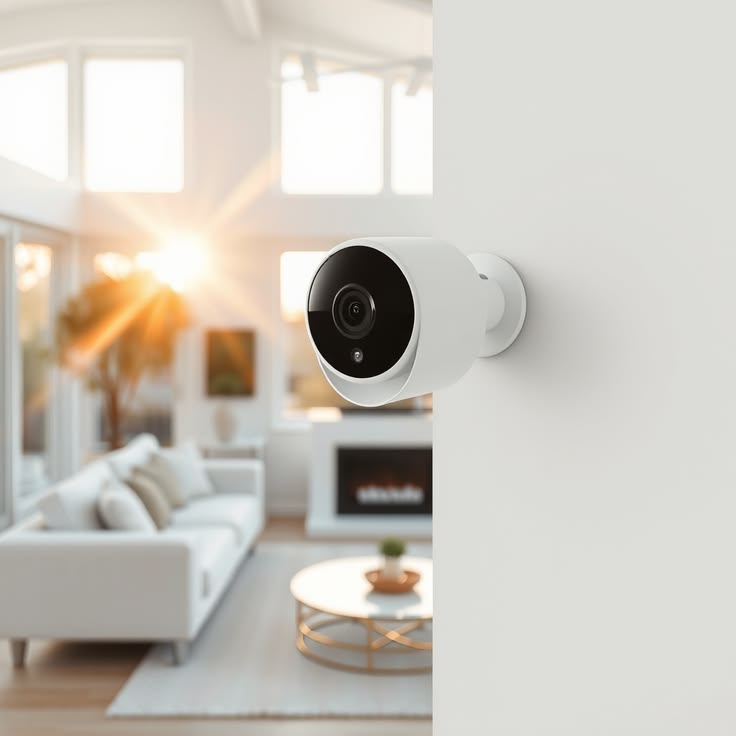
Bullet cameras, on the other hand, offer more visibility. These units project confidence with their sleek exterior and easy-to-identify lens direction. Ideal for monitoring specific areas like entrances or hallways.
Then there are PTZ (pan-tilt-zoom) cameras that provide flexibility in monitoring large spaces. You can remotely control them to capture different angles or zoom in on activity.
Smart indoor cameras integrate well with home automation systems. They often feature motion detection alerts and two-way audio for real-time communication from anywhere you are.
Features to Consider When Choosing an Indoor Camera
When selecting an indoor camera, resolution is paramount. Opt for a model with at least 1080p HD quality to ensure clear images. Nothing beats seeing every detail when it matters.
Consider the field of view as well. A wider angle allows you to monitor more space without the need for multiple cameras. This can save both time and money during installation.
Audio capabilities are another crucial feature. Two-way audio lets you communicate through the camera, whether it’s telling your pet to stop misbehaving or checking in on kids.
Look for smart features too. Compatibility with home automation systems can streamline your security setup significantly.
Storage options matter—cloud versus local storage can impact how easily you access footage later on. Choose what suits your needs best while keeping privacy concerns in mind.
Setting Up and Using Indoor Cameras
Setting up indoor cameras is a straightforward process that can significantly enhance your home security. Begin by choosing the right locations for your cameras. Think about areas that are vulnerable or where valuable items are kept, like living rooms, entryways, and hallways.
Once you’ve selected the spots, it’s time to install the cameras. Most indoor cameras come with easy-to-follow instructions and require minimal tools. If you opt for wireless models, installation becomes even simpler as there’s no need to deal with messy wires.
After installation, download any necessary apps on your smartphone or tablet. These applications often provide user-friendly interfaces to help manage camera settings and receive alerts when motion is detected. Ensure that you configure notification settings according to your preference—too many alerts can become overwhelming!
Regularly check the functionality of each camera and adjust their angles if needed. This will ensure optimal coverage of the area you’re monitoring. Many modern indoor cameras offer features like cloud storage options for recording video footage, giving you peace of mind knowing that important moments are captured securely.
Remember also to stay updated on firmware updates provided by manufacturers; this ensures better performance and security from potential vulnerabilities over time.
With everything set up correctly, you’ll have a reliable system in place designed not just for surveillance but also for convenience in managing home security effortlessly.