

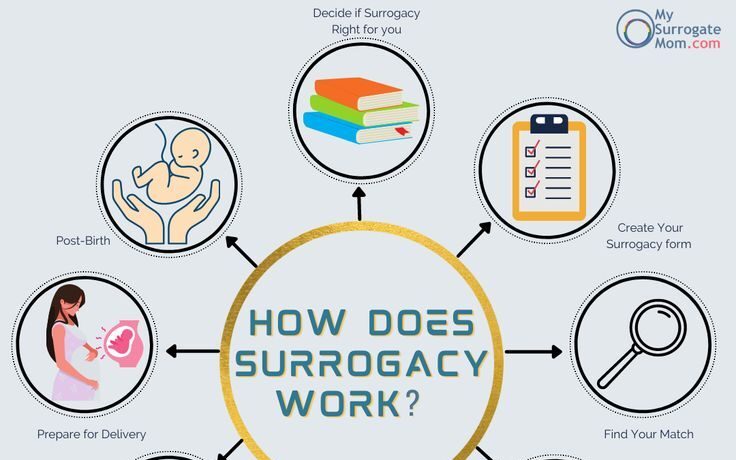
The journey to parenthood can take many forms, and for some couples, traditional methods may not be an option. Surrogacy offers a unique pathway to create a family filled with love and joy. But what does this process involve? From understanding the different types of surrogacy to navigating legal considerations, it’s essential for intended parents to be well-informed. In this blog post, we’ll explore the ins and outs of surrogacy, helping you embark on your journey with confidence and clarity. Whether you’re curious about how it works or eager to start planning your family’s future, we’re here to guide you every step of the way.
What is Surrogacy?
surrogacy in australia and new zealand is a method of assisted reproduction that allows individuals or couples to have children through a surrogate. This arrangement involves a woman who agrees to carry and give birth to a baby for someone else.
The process can be deeply rewarding for all parties involved. Intended parents often experience hope and excitement as they navigate this journey toward parenthood. Meanwhile, surrogates may find fulfillment in helping others achieve their dreams of family.
At its core, surrogacy is built on trust, mutual respect, and clear communication between the intended parents and the surrogate. It’s essential that everyone understands their roles throughout this life-changing experience.
As society evolves, so do perceptions about surrogacy, leading more people to consider it an option when facing infertility or other challenges related to conception.
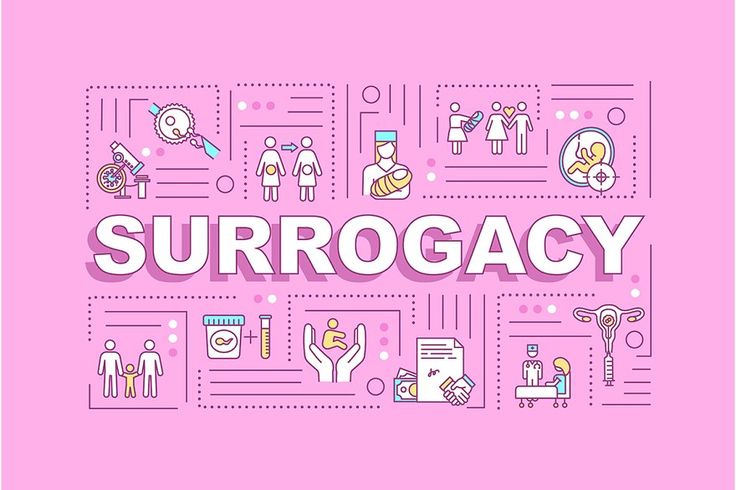
Types of Surrogacy Traditional vs. Gestational
Surrogacy comes in two primary forms: traditional and gestational. Each type has its distinct characteristics and implications for intended parents.
In traditional surrogacy, the surrogate is also the biological mother of the child. This means her eggs are used during conception, typically achieved through artificial insemination. This option can create a unique bond between the surrogate and the child but may lead to complex emotional dynamics regarding parental rights.
Gestational surrogacy, on the other hand, involves an egg from either the intended mother or an egg donor being fertilized with sperm from the intended father or a sperm donor. The resulting embryo is implanted into a surrogate’s womb who has no genetic ties to the baby. This method allows for clearer legal definitions of parentage.
Each type presents different challenges and benefits that need careful consideration by intended parents before making this significant decision.
Benefits of Surrogacy for Intended Parents
Surrogacy offers a unique path for intended parents who face challenges in starting a family. It provides an opportunity to have a biological connection to the child, especially with gestational surrogacy where the surrogate carries an embryo created using the intended parents’ eggs and sperm.
Another significant benefit is that it allows couples or individuals to maintain control over many aspects of their journey. From selecting embryos to choosing their surrogate, this process can be deeply empowering.
For those who may have experienced infertility or health issues, surrogacy often serves as a hopeful alternative. It opens doors when traditional paths seem closed.
Moreover, intended parents can build relationships with their surrogates, creating bonds during pregnancy that lead to shared experiences and memories. This emotional connection can enrich the entire journey toward parenthood.
The Process of Finding a Surrogate
Finding a surrogate can feel overwhelming, but it’s an exciting journey. Start by researching surrogacy agencies or independent options that align with your values and needs.
Next, consider the qualities you’re looking for in a surrogate. Some intended parents prioritize health history, while others may value emotional compatibility. This clarity will guide your search.
Once you have a list of potential candidates, it’s essential to engage in open conversations. Interviews help establish rapport and ensure everyone is on the same page regarding expectations.
Screening processes are crucial too. Medical evaluations and psychological assessments ensure both parties are physically and emotionally prepared for this significant commitment.
Be patient throughout this process; building trust takes time. Every step brings you closer to welcoming a new life into your family.
Legal and Financial Considerations
When embarking on the surrogacy journey, understanding the legal and financial aspects is essential. Surrogacy agreements can vary significantly from state to state, so it’s crucial for intended parents to consult with a knowledgeable attorney who specializes in reproductive law. This ensures that all rights are protected throughout the process.
Financially, surrogacy can be an investment. Costs may include medical expenses, surrogate compensation, agency fees, and legal fees. Intended parents should prepare for these costs by creating a comprehensive budget that accounts for unexpected expenses as well.
It’s also important to explore potential insurance options. Some insurance policies cover certain aspects of surrogacy while others do not. Understanding what your health coverage entails will help you manage finances effectively.
As you navigate through these considerations, keeping open communication with your surrogate and professionals involved is vital. Transparency fosters trust and helps everyone stay aligned on expectations.
By tackling both legal and financial matters head-on, intended parents can approach their surrogacy journey with clarity and confidence.

