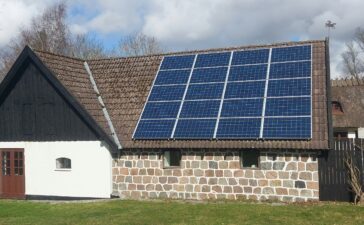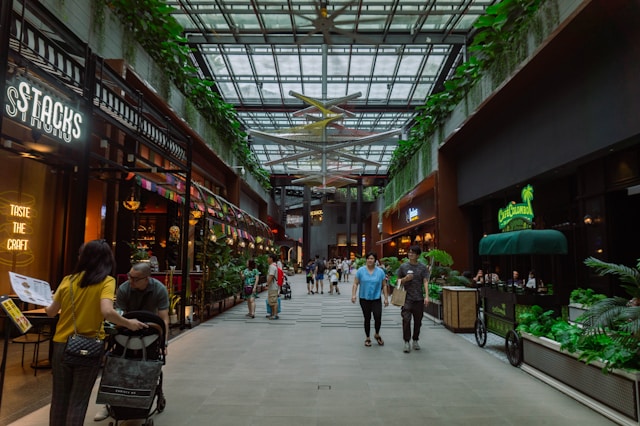
Buildings inherently deteriorate with time, and many older structures need to be updated to satisfy contemporary standards and practical needs. Many property owners opt for refurbishment as a sensible and economical alternative to creating completely new structures. Refurbishment projects are becoming more widespread in Australia’s residential and business sectors. Property owners can increase the longevity of buildings while enhancing their comfort, functionality, and aesthetic appeal by updating and restoring existing structures.
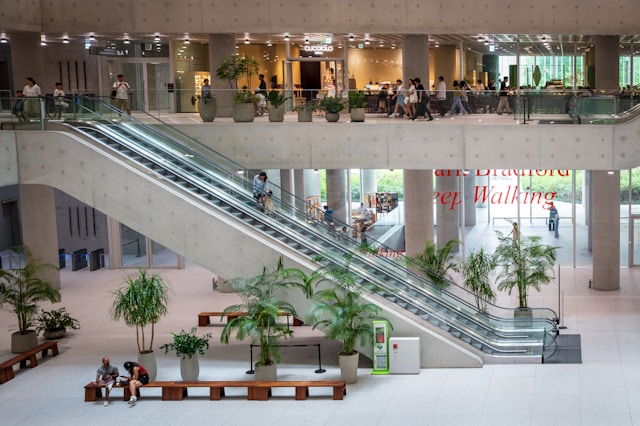
Whole Building Refurbishment: What Is It?
Property developers and building owners often undertake whole building refurbishment projects when a property requires comprehensive upgrades. Instead than concentrating on a particular region, this technique entails renovating several features of a building. Structural modifications, plumbing and electrical upgrades, interior design, and energy efficiency improvements are all examples of refurbishment projects. The objective is to maintain the building’s overall structure while updating it to contemporary standards. Refurbishment is particularly prevalent in older commercial buildings and heritage properties in many Australian cities. Owners update these buildings to suit modern demands while preserving their architectural integrity rather than dismantling them. Improvements like new flooring, modernised lighting, better insulation, and updated heating or cooling systems may also be part of a whole building renovation.
Important Phases of a Renovation Project
A thorough evaluation of the building’s existing state is usually the first step in any renovation effort. Contractors, engineers, and architects assess overall functionality, safety systems, and structural integrity. A renovation plan is created after the assessment is finished. This plan describes the necessary upgrades and the timetable for finishing each project phase. After that, construction and remodelling work starts. During this stage, old materials may be removed, structural elements may be repaired, and new systems like plumbing or electrical wiring may be installed. Refurbishment projects frequently include significant interior modifications. A building’s appearance and usability can be greatly improved with modern finishes, better lighting, and new layouts. Final inspections ensure that all improvements meet Australian building standards and safety regulations before the building is returned to full use.
Advantages of Renovating Current Structures
When opposed to creating a brand-new structure, refurbishment has a number of benefits. Cost effectiveness is one of the main advantages. Compared to beginning from scratch, upgrading an existing structure frequently needs less work and materials. Another crucial element is environmental sustainability. Refurbishment maximises the usage of pre-existing building resources while lowering construction waste. Many refurbishment projects also incorporate energy-efficient upgrades that reduce long-term energy consumption. Property value can also increase significantly after refurbishment. Updated buildings often attract new tenants, buyers, or customers because they offer modern facilities and improved aesthetics. Refurbishment projects also help preserve historical or architecturally significant buildings. Many Australian communities value older buildings that contribute to the character of local areas.

Increasing the Life of Structures
Refurbishing a building provides an opportunity to transform outdated spaces into functional, modern environments. Whether used for residential living, commercial offices, or retail spaces, upgraded buildings offer improved comfort and usability. With careful planning and professional expertise, whole building refurbishment projects can revitalise properties while maintaining their structural foundations. This approach allows property owners to adapt buildings for modern needs while preserving valuable infrastructure.