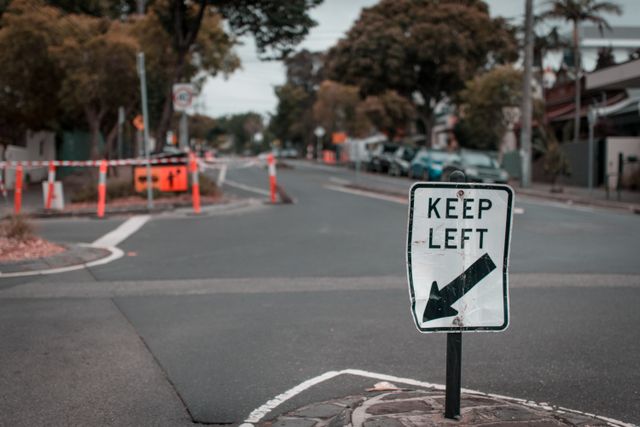
Walking into a college in Melbourne for the very first time and looking around at the signs is like receiving a message even before meeting anyone from the institution. Not always the intended message, but a message nevertheless. Proper signage indicates confidence and professionalism; improper signage does quite the contrary, and a student unable to find their class on the first day will remember it even long after the formal greeting procedure has ended.
Why Do Colleges Have an Issue with Signage Unlike Other Educational Institutions?
A secondary school has a fixed enrolment intake of students who learn the campus structure during the first weeks of the year, and this information remains familiar throughout the time spent there. Colleges work in a completely different way. The enrolment process takes place several times a year, and thus each new intake involves people unfamiliar with the campus structure. Investing in quality college signage Melbourne institutions rely on is not a cosmetic decision; it is a practical one that affects how quickly and confidently every new intake finds their footing. According to the figures provided by Study Melbourne from the Victorian Government, 330,000 international student enrolments came to Victoria from more than 175 countries in 2024. Many of these students are faced not only with the problem of getting acquainted with a new campus but also with finding a new city and a new educational environment altogether, which makes signage of crucial importance.
Wayfinding Is a System, Not a Single Sign
A floor map plastered near the front door is not exactly what you’d call a wayfinding system; it’s more of a reference tool for the person with a rough idea of where they need to go. A proper wayfinding system on the other hand is one that guides a person along the way, confirming which direction they should head at every decision point from the minute they step off the footpath. For colleges, this starts at the very entrance, with a clear and obvious building identification sign that’s visible from both directions of approach. As you move inside, that sign hierarchy should then move on to identifying which floor you’re on and then finally the individual rooms, studios and workshops. Every turn in the corridor and every stairwell is an opportunity for good signage to keep people moving forward and every poor signpost sends them back to the start.
What Great Signage Tells People Even Before They Read It?
If the signwriting is faded, the typefaces are all over the place and the vinyl is peeling off, you can pretty much guarantee that your visitors will pick up on that before they even think about reading what the sign actually says. And that says to them that the details aren’t exactly a priority, which in a competitive market like education, is a pretty tough message to recover from. On the other hand, if you’ve got some decent signwriting at the entry points and along the main corridors, that’s a pretty clear message that you take your physical environment seriously. And there’s no getting away from the fact that the campus experience does things that no amount of digital marketing can replicate. After all, it’s the one place where the experience just hits you directly, rather than having to look at it on a screen.
All About the Materials and Melbourne’s Weather
If you’ve got exterior signage out in Melbourne, you can bet your life it’s going to be exposed to some pretty harsh conditions, all day, every day of the year. So what you need is something that can take a beating. Aluminium composite with powder-coated lettering is one of the best options for areas that are fully exposed and subject to the elements, as it can withstand the sun, rain and temperature variations for years without losing too much of its colour. Vinyl letters applied to an aluminium substrate are another good option if you need to cover a lot of ground with a single sign. And don’t even get me started on signs you’ve stuck near the car park or delivery areas; those need to be able to withstand a bash from a truck or forklift if necessary. And if you’ve got internally illuminated signs, you need to make sure those components are fully sealed to keep the heat from building up during Melbourne’s warmer months.

Getting a Good Brief for a Signwriter
Getting the right outcome starts long before you even sit down with a signwriter to discuss the project. So here are a few things you should have got sorted out before that first conversation:
- Some actual floor plans showing where you need signage.
- Your brand guidelines, including all the approved typefaces, colour palettes, and logo specifications.
- Any information you have on relevant accessibility obligations under Australian Standards; you never know when that might come in handy.
- And if you’ve got any planned renovations that might affect where or how the signage goes, make sure you’ve got all that worked out ahead of time as well.
- And one last thing, make sure you’ve got a single sign-off authority in place, so you don’t end up with mid-project delays that just waste time and money.