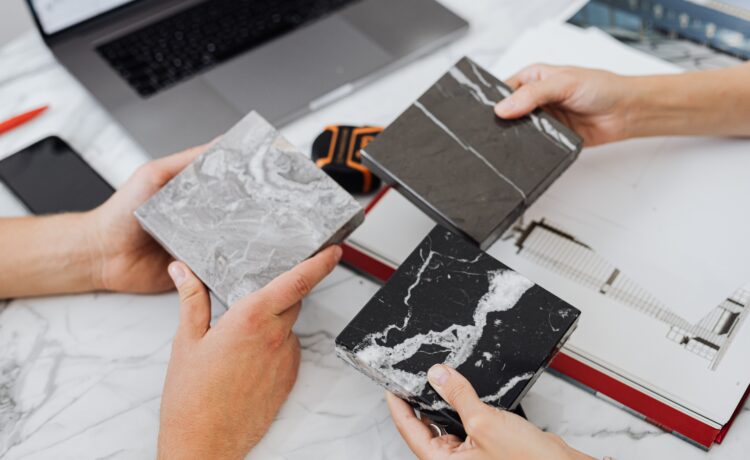
Tiles are more than just a flooring option; they are a canvas for creativity in your home. Whether you’re renovating, refreshing, or building anew, the right tiles can transform any space from mundane to magnificent. With countless styles, colors, and materials available, choosing the perfect tile can feel overwhelming. However, with some guidance and insight into what each room requires, you’ll find it easier to make informed decisions that suit both your aesthetic preferences and practical needs. From the bustling kitchen to serene bathrooms and vibrant outdoor spaces—each area has its own unique demands when it comes to tiling choices. Let’s explore how you can select tiles that not only enhance beauty but also serve functionality throughout your home.
Factors to Consider Before Choosing Tiles
Choosing tiles brisbane is more than just picking colors. You need to think about where they will go and how they’ll be used.
Start with the room’s function. High-traffic areas like kitchens or hallways require durable options. Consider slip resistance for safety, especially in bathrooms or outdoor spaces.
Next, think about style. Do you prefer modern minimalism or classic elegance? The tile design should complement your existing decor.
Light reflection is also crucial. Glossy tiles can make a small space feel larger but may show dirt easily. Matte finishes hide imperfections better but might absorb stains over time.
Consider maintenance requirements. Some materials demand special cleaning products while others are low-maintenance and easy to care for.
These factors play a significant role in guiding your decision-making process when selecting the perfect tiles.
Kitchen Tiles: Functionality and Aesthetics
The kitchen is often the heart of the home. Choosing the right tiles can elevate this space both functionally and aesthetically.
When selecting kitchen tiles, consider their durability. You want something that withstands spills, stains, and foot traffic. Porcelain and ceramic tiles are popular for their resilience and ease of cleaning.
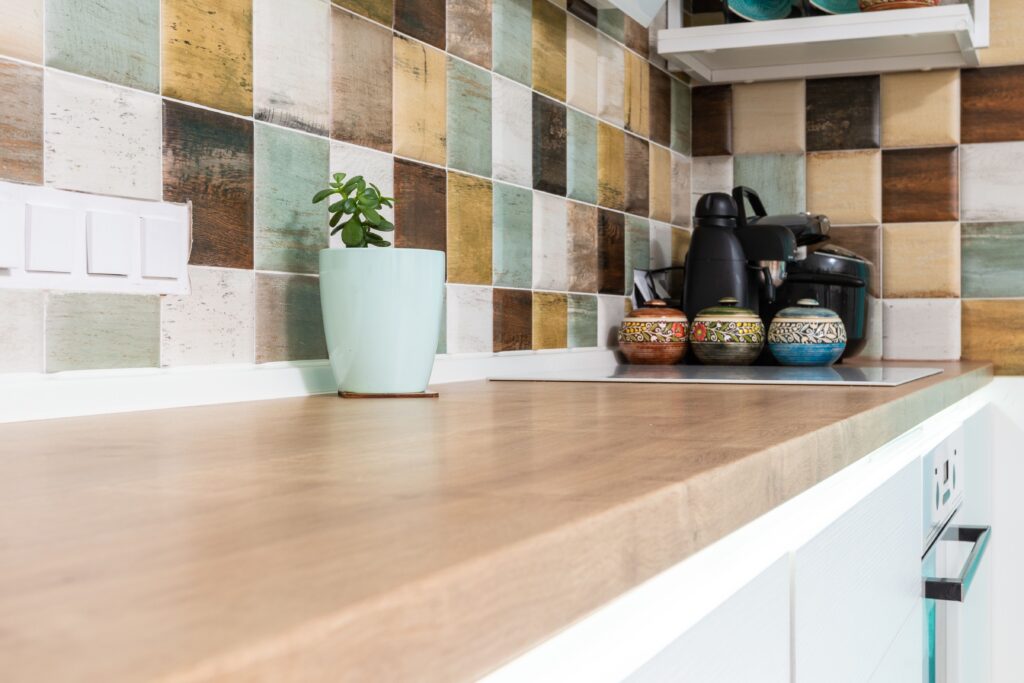
Aesthetics play a crucial role as well. The color scheme should harmonize with your cabinetry and countertops. Light-colored tiles can make a small kitchen feel more spacious, while bold patterns add character to larger areas.
Texture also matters in a kitchen setting. Matte finishes offer practicality by hiding smudges better than glossy surfaces. Meanwhile, textured tiles provide grip underfoot—especially vital in this busy area where accidents can happen easily.
It’s about finding the perfect blend of style and functionality that complements your unique cooking environment.
Bathroom Tiles: Durability and Water Resistance
When selecting tiles for your bathroom, durability and water resistance are paramount. The environment here is often humid and prone to spills. Choosing the right tile can mean the difference between a long-lasting surface and costly repairs.
Ceramic or porcelain tiles are popular choices due to their impressive resistance to moisture. These materials don’t absorb water easily, making them ideal for wet areas like showers or near bathtubs.
Textured surfaces can also add a non-slip feature, enhancing safety in this slippery space. Bold designs or subtle patterns allow you to express your style while ensuring practicality.
Consider grout lines as well; opting for epoxy grout can further improve water resistance compared to traditional options. This small detail will help prevent mold growth over time, keeping your bathroom looking fresh and clean with minimal effort required on upkeep.
Outdoor Tiles: Practicality and Maintenance
When it comes to outdoor spaces, the choice of tiles can make a significant difference. Here, practicality and maintenance take center stage. Outdoor tiles need to withstand various weather conditions while remaining slip-resistant for safety.
Porcelain tiles are a popular option due to their durability and low water absorption. They resist fading from UV rays, ensuring your patio looks great year-round. Natural stone is another excellent choice but requires more care; sealing is essential to protect against moisture and stains.
Consider the tile’s surface texture as well. A textured finish enhances grip underfoot, making it safer during rainy days or near pools. Choosing lighter colors can help keep your space cooler on hot summer afternoons.
Maintenance varies based on the material selected. Regular cleaning with mild detergents usually suffices for porcelain tiles, while natural stones might require periodic sealing and specialized cleaners.
Selecting outdoor tiles involves balancing aesthetics with functionality while keeping upkeep in mind. With thoughtful choices, you can create an inviting outdoor area that stands the test of time.