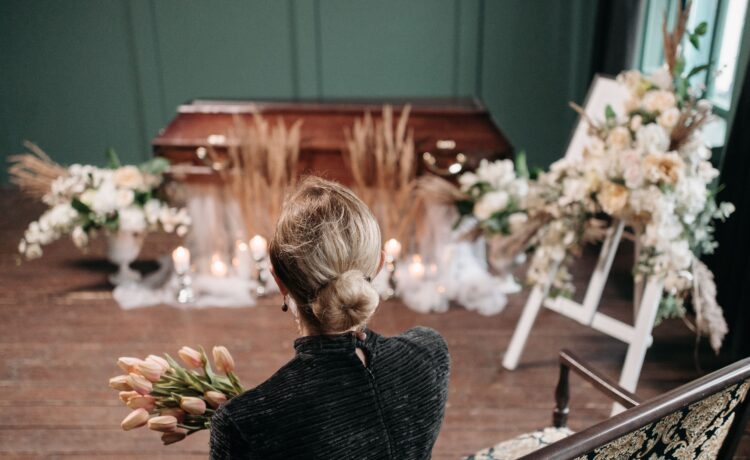
Planning a funeral is not an easy task. It’s often filled with emotional turmoil and difficult decisions, yet it can also be an opportunity for love and celebration of life. By preparing a thoughtful funeral plan, you ensure that your wishes are honored while providing comfort to your loved ones during a challenging time. This guide explores the importance of planning ahead, the various types of funerals available, and how to navigate the process smoothly. Whether you’re starting from scratch or refining existing plans, let’s dive into creating a meaningful farewell that reflects your values and desires.
The importance of preparing a funeral plan
funeral planning services in melbourne is an act of love and foresight. It allows you to communicate your wishes clearly, ensuring that your final send-off matches your values and preferences.
When decisions are made in advance, it alleviates stress for family members left behind. Grieving loved ones often struggle with making choices during such a difficult time. A pre-planned funeral offers them guidance when they need it most.
Additionally, having a plan can help avoid potential conflicts among family members regarding what should be done. Clear instructions pave the way for harmony rather than disputes over how to honor someone’s life.
By taking this step, you also allow yourself to reflect on what truly matters, celebrating life in ways that resonate deeply with who you are. Embracing the planning process means embracing peace of mind—for both you and those who care about you.
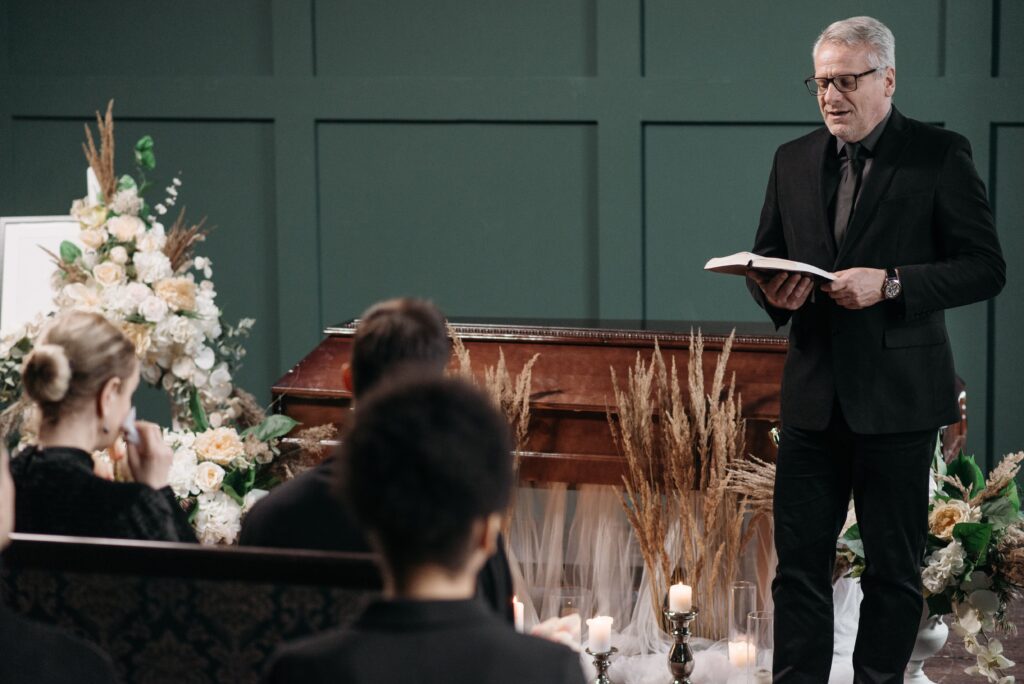
Understanding the different types of funerals (traditional, green, non-traditional)
Funerals can vary widely based on cultural beliefs, personal preferences, and environmental considerations. Traditional funerals often involve a formal service, burial or cremation, and rituals that honor the deceased’s life in a structured manner.
Green funerals focus on eco-friendliness. They prioritize biodegradable materials and natural settings for burials. This approach reflects a growing awareness of sustainability while still honoring loved ones.
Non-traditional funerals offer flexibility. They might include unique themes or locations that reflect the personality of the deceased. Celebrations of life events can take place at beaches, parks, or even homes—allowing friends and family to share memories in an intimate setting.
Understanding these options empowers families to choose what resonates most with their values and wishes during such poignant times. Each type serves as a meaningful tribute tailored to individual stories and legacies.
Steps to creating a thoughtful funeral plan
Creating a thoughtful funeral plan begins with reflection. Consider your values and what matters most to you and your loved ones. This is an opportunity to personalize the experience.
Next, outline your preferences. Think about location, service style, and any rituals that hold significance. You might want a traditional ceremony or perhaps something more contemporary.
Don’t forget to include details like music choices, readings, or personal touches that showcase your life story. Involve family members in this process; their feedback can help shape a plan that honors everyone’s feelings.
Document everything clearly. Write down your wishes and keep them in an accessible place where trusted individuals can find them. Regularly review these plans as life changes may influence new decisions.
Consider discussing your thoughts openly with loved ones for transparency and peace of mind during difficult times ahead.
What to consider when choosing a funeral home
Choosing a funeral home is a significant decision. Start by researching local options and reading reviews. Personal experiences can guide you toward compassionate care.
Consider the services offered. Some homes specialize in traditional funerals, while others may focus on green or non-traditional options. Ensure they align with your vision.
Visit potential locations to gauge the atmosphere. A welcoming environment can provide comfort during tough times.
Staff professionalism matters too. Interactions should feel respectful and empathetic, reflecting their ability to support grieving families genuinely.
Ask about pricing structures upfront. Transparency in costs helps avoid unexpected expenses later on, allowing for better financial planning.
Trust your instincts. You should feel at ease with your choice; it’s an essential part of honoring a loved one’s memory thoughtfully.
Budgeting for a funeral and ways to save money
Planning a funeral can feel overwhelming, especially when it comes to budgeting. However, understanding your options can help you create a respectful ceremony without breaking the bank.
Start by determining what kind of services and products you need. Traditional funerals often come with higher costs due to caskets, embalming, and venue expenses. Consider whether a simpler service or even a green burial might be more in line with both your wishes and budget.
Shopping around is essential. Don’t hesitate to compare prices from different funeral homes. Many offer packages that can provide savings if you’re mindful of specific needs versus wants.
You may also want to explore pre-planning options that allow you to lock in today’s prices for future services. This can ease financial stress later on while allowing loved ones the comfort of knowing everything is taken care of ahead of time.
Donations instead of flowers are another thoughtful way to honor someone’s memory while saving money at the same time. Encourage family and friends to contribute towards causes that were meaningful to your loved one rather than spending on traditional floral arrangements.
Additionally, consider asking about discounts for veterans or affiliations with certain organizations which could lead to significant savings on various services offered by some providers.
Creating an effective budget involves balancing emotional desires with practical considerations; this ensures you plan an event that’s truly reflective but also financially prudent.