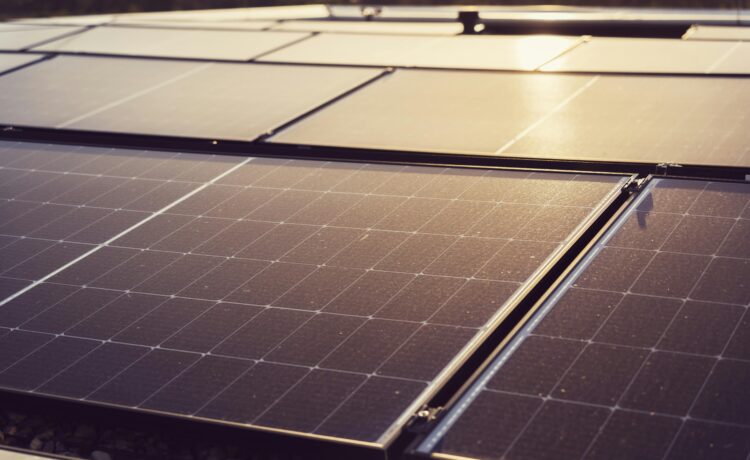
Imagine harnessing the power of the sun to fuel your home, reduce your bills, and contribute to a healthier planet. Solar energy is no longer just an alternative; it’s becoming a necessity in today’s evolving landscape. As concerns about climate change intensify and energy costs rise, more people are turning their attention towards sustainable solutions like solar power.
With abundant sunlight available in many regions, tapping into this renewable resource seems both logical and appealing. But what exactly does that mean for you? Let’s explore the long-term value of sun energy—its advantages, environmental benefits, financial incentives—and how easy it can be to integrate this clean energy source into your daily life. Embracing solar could be one of the best decisions you make for yourself and future generations.
Advantages of using solar energy
Solar energy or sun energy is a powerful alternative to traditional energy sources. One of its biggest advantages is the reduction in electricity bills. By harnessing sunlight, homeowners and businesses can significantly lower their monthly expenses.
Another benefit lies in energy independence. Relying on solar reduces dependence on fossil fuels and mitigates vulnerability to fluctuating fuel prices. This stability appeals to many consumers.
Solar panels also require minimal maintenance after installation. Once up and running, they can efficiently generate power with little intervention needed, making them a hassle-free option for long-term use.
Additionally, adopting solar technology boosts property value. Homes equipped with solar systems often sell faster and at higher prices due to their appeal among eco-conscious buyers.
The versatility of solar applications adds another layer of advantage—from residential rooftops to expansive commercial installations, it’s adaptable enough for various needs while still contributing positively to the environment.

The environmental impact of solar energy
Solar energy offers a compelling alternative to fossil fuels. By harnessing the sun’s power, we significantly reduce greenhouse gas emissions. This shift helps combat climate change and improves air quality.
Furthermore, solar installations require minimal land disruption compared to traditional energy sources. Solar panels can be placed on rooftops or in previously disturbed areas, preserving natural habitats.
The production of solar technology does have an environmental footprint but advancements continue to minimize waste and enhance recyclability. Many manufacturers are now focusing on sustainable materials.
Additionally, as more households adopt solar systems, there’s a collective reduction in dependence on non-renewable resources. Communities become more resilient and self-sufficient over time.
Choosing solar contributes not just to personal savings, but also fosters a healthier planet for future generations. Embracing this renewable resource is essential for sustaining our environment while enjoying the benefits of clean energy.
Financial benefits of switching to solar energy
Switching to solar energy can significantly reduce your monthly electricity bills. Once installed, solar panels generate free power from sunlight, which means you pay less for traditional energy sources.
In many regions, governments offer tax incentives and rebates for those who choose solar. These financial benefits make the initial investment more manageable and attractive.
Moreover, renewable energy systems typically increase property value. Homes with solar installations often sell at a premium compared to non-solar properties. This can lead to substantial returns if you decide to move in the future.
Additionally, locking in your energy costs is another advantage of going solar. With utility prices constantly rising, having a fixed cost for your electricity provides peace of mind and financial stability over time.
These factors create a compelling case for making the switch now rather than waiting longer.
How to incorporate solar energy into your home or business
Switching to solar energy has never been more accessible. For homeowners, the first step is often a thorough assessment of your property. Look at sun exposure throughout the day and consider any obstructions like trees or buildings that might block sunlight.
Once you have an idea of your space’s potential, research different types of solar panels. There are various options available depending on efficiency, aesthetics, and budget. Many companies offer consultations to help determine what system will work best for your needs.
For businesses, integrating solar energy can be both a strategic move and an environmentally responsible choice. Consider installing larger systems that can power significant portions of operations or even entire facilities. Look into government incentives and rebates which may offset initial costs.
Battery storage solutions are also gaining popularity; they allow excess energy produced during sunny days to be stored for use at night or during cloudy periods. This adds another layer of independence from traditional utility sources.
As technology improves and installation costs decline, embracing solar energy becomes not just feasible but advantageous in many aspects—financially and environmentally alike. Transitioning doesn’t happen overnight; however, each step taken towards harnessing the power of the sun contributes positively to sustainability efforts while enhancing long-term value for homes and businesses alike.