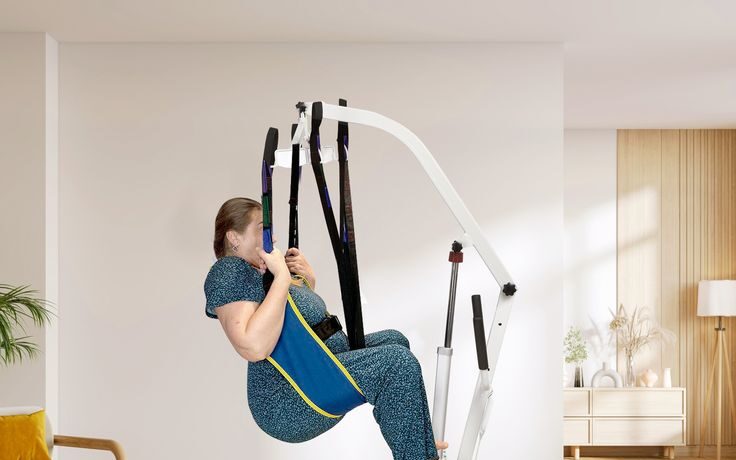
Patient mobility is a vital aspect of healthcare that often goes unnoticed until it becomes a challenge. Whether in hospitals, rehabilitation centers, or even at home, the ability to move safely and comfortably can greatly influence recovery and overall well-being. For caregivers and healthcare providers, having the right tools for patient transfers is essential. One such tool gaining recognition is the supportive lifting sling transfer device.
These innovative solutions not only assist in lifting patients but also promote dignity and comfort during transfers. Understanding how these devices work can make all the difference in enhancing mobility for those who need assistance. Let’s delve into why proper lifting techniques matter and explore the various types of supportive slings available today.
The Importance of Proper Lifting and Transferring Techniques for Patients
Proper lifting and transferring techniques are crucial in healthcare settings. They ensure patient safety while reducing the risk of injury for caregivers.
When patients are moved incorrectly, it can lead to discomfort or even worsen their condition. Proper techniques help maintain their dignity and comfort throughout the process.
Caregivers also face significant risks if they lift or transfer patients without using correct methods. Back injuries are common among healthcare workers due to improper handling. By utilizing established techniques, both parties benefit from increased safety.
Training is essential for staff members involved in patient mobility.Also they can use sling lift for transfer of the patients.Regular workshops and refreshers keep everyone informed about best practices, ensuring a safer environment for all.
Attention to detail can make a substantial difference during transfers. Simple strategies like clear communication with the patient foster confidence and promote smoother transitions.
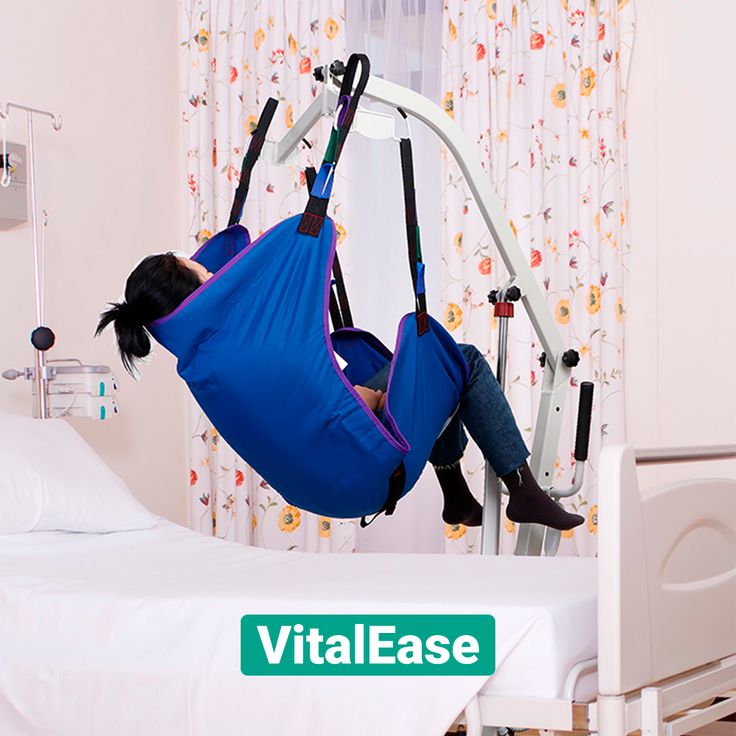
Understanding Supportive Lifting Sling Transfer Tools
Supportive lifting sling transfer tools are essential for enhancing patient mobility. They provide a safe way to lift and move individuals who may have limited strength or coordination.
These slings come in various designs, tailored to meet different needs. Some are made for full-body support, while others focus on specific areas like the legs or torso.
The materials used also vary from soft fabric to more structured options, ensuring comfort during transfers. This diversity allows caregivers to choose the right tool based on a patient’s condition and requirements.
Understanding how these tools work is crucial for effective use. Proper training ensures that both patients and caregivers feel secure throughout the transfer process, promoting independence and confidence in daily activities.
Types of Supportive Lifting Slings and Their Uses
Supportive lifting slings come in various types, each designed for specific needs. The most common are full-body slings. They provide comprehensive support and are perfect for patients who require assistance with almost every transfer.
Another option is the toileting sling. This design allows quick access to the restroom while ensuring patient safety and dignity. It features openings that facilitate easier transfers during personal care routines.
For individuals with upper body strength, a seated sling can be beneficial. This type targets those who need minimal assistance but still require some support when moving from one position to another.
There are specialized slings tailored for children or bariatric patients. These designs account for unique anatomy and weight distribution, ensuring effective transfers without compromising comfort or safety. Each type plays a crucial role in enhancing mobility and independence among users.
Benefits of Using Supportive Lifting Sling Transfer Tools
Supportive lifting sling transfer tools bring a multitude of advantages that extend beyond mere convenience. For caregivers, these slings reduce physical strain and minimize the risk of injury during patient transfers. This not only promotes safety but also enhances caregiver morale as they feel more empowered in their role.
Patients experience increased comfort and dignity when using supportive lifting slings. These tools are designed to cradle the body securely, which can alleviate fears often associated with transferring between surfaces. The gentle support helps ease anxiety for those who may feel vulnerable during mobility tasks.
Furthermore, enhancing mobility through proper lifting techniques aids in maintaining or improving a patient’s independence over time. When patients feel secure while being transferred, they are more likely to participate actively in their rehabilitation process.
The right supportive lifting sling can also improve overall hygiene by facilitating easier access for personal care needs without excessive discomfort or awkwardness. This not only boosts the patient’s quality of life but encourages open communication about health concerns, fostering trust between patients and caregivers.
In essence, investing in supportive lifting sling transfer tools is an investment into better care and improved outcomes for all involved—patients gain confidence and dignity while caregivers enjoy safer working conditions. With such clear benefits on both sides, it’s evident why these tools have become essential components within healthcare settings.