
Imagine a world where classrooms extend beyond four walls. A place where learning is intertwined with nature, and curiosity thrives in the great outdoors. This is the essence of outdoor learning—a transformative approach that takes education outside traditional boundaries. It’s not merely about taking students on field trips; it’s about harnessing the power of nature to shape young minds.
Outdoor learning experiences provide children with opportunities to explore, discover, and connect with their environment in ways that textbooks simply cannot offer. As they engage with nature, they learn valuable lessons about life, teamwork, and themselves. In this blog post, we’ll dive into why these experiences matter so much for our youth today—unlocking creativity, enhancing well-being, and fostering a love for lifelong learning. So let’s step outside together!
Benefits of Outdoor Learning for Children
Outdoor learning offers a dynamic approach to education that enriches children’s development. It allows kids to explore the natural world, fostering curiosity and wonder.
Engaging with nature enhances their observational skills. They learn to notice details like changing seasons, animal behaviors, or plant growth, which can ignite a passion for science and environmental stewardship.
Furthermore, outdoor immersive school camp learning experiences often promote teamwork. Children collaborate on activities like building forts or navigating trails together. This not only builds social skills but also boosts confidence as they tackle challenges collectively.
Physical activity is another key benefit of outdoor learning. Running around in a park or climbing trees helps improve coordination and strength while promoting overall fitness.
Being outdoors reduces stress levels significantly. Nature has a calming effect on young minds, allowing them to recharge emotionally and mentally as they step away from screens and structured environments.
Examples of Outdoor Learning Activities
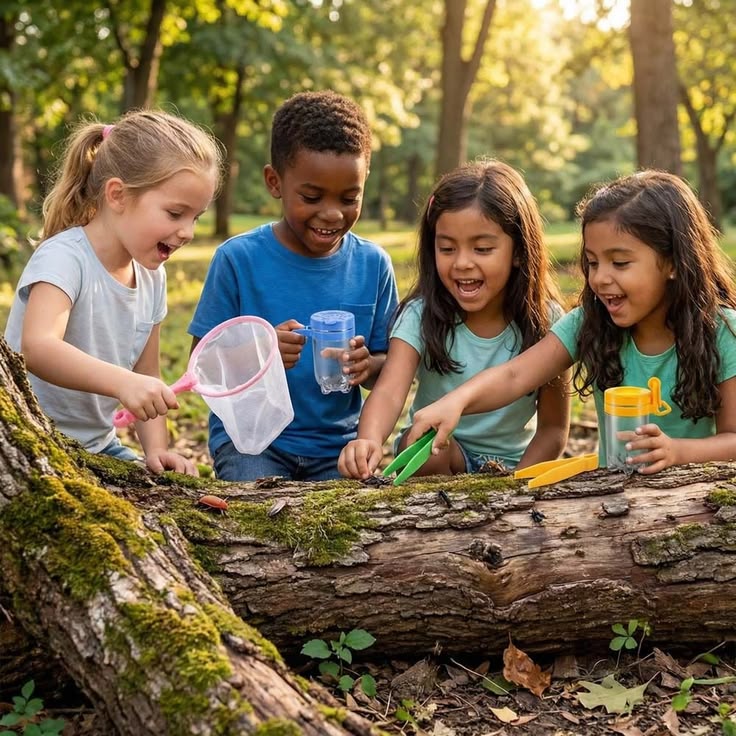
Outdoor learning activities can be both fun and educational. Nature walks are a fantastic way for kids to explore their surroundings. They can observe plants, insects, and even animal tracks. Each step offers a new discovery.
Gardening is another excellent activity. Children learn about responsibility while nurturing seeds into plants. This hands-on experience teaches them about ecosystems and the importance of sustainability.
Scavenger hunts spark curiosity and teamwork. Kids work together to find items in nature, sharpening their observation skills along the way.
Art projects outdoors encourage creativity too. Using natural materials like leaves or stones allows children to express themselves in unique ways.
Outdoor science experiments engage young minds as well. Simple activities like measuring plant growth or studying soil types make learning tangible and exciting, bringing lessons directly from textbooks into real life.
How Outdoor Learning Enhances Creativity and Imagination
Outdoor learning provides endless opportunities for children to explore and create. Nature serves as an inspiring backdrop, filled with textures, colors, and sounds that ignite the imagination.
When kids are outside, they learn to observe their surroundings closely. A simple leaf can become a canvas for drawing or a tool for storytelling. They invent games using sticks or rocks, transforming ordinary objects into elements of adventure.
The freedom of open spaces encourages spontaneous play. This unstructured time fosters innovative thinking as children navigate challenges in real-world settings. Climbing trees or building forts requires problem-solving skills that enhance creativity.
Being outdoors also stimulates curiosity about the environment. Children ask questions and seek answers through hands-on experiences rather than textbooks alone. This exploration nurtures original ideas and self-expression in ways traditional classrooms may not achieve.
Through these dynamic interactions with nature, young minds flourish creatively while developing a deeper connection to the world around them.
Promoting Physical and Mental Health through Outdoor Education
Outdoor education is not just about learning facts; it’s a holistic experience that nurtures both body and mind. Engaging with nature provides children with opportunities for physical exercise, which is vital in today’s increasingly sedentary world. Climbing trees, running around fields, or hiking trails helps build strength and endurance. These activities promote cardiovascular health and develop motor skills while allowing kids to explore their limits.
Mental health benefits are equally significant. Nature has a calming effect that can reduce stress levels in children. Spending time outdoors encourages mindfulness as they become aware of their surroundings—a bird singing, leaves rustling in the wind or the feel of grass underfoot can all enhance a child’s sensory awareness.
Moreover, outdoor learning fosters social connections through teamwork and collaboration during group activities. Children learn communication skills as they navigate challenges together, building friendships along the way.
The combination of physical activity and mental engagement creates well-rounded individuals who are better equipped to handle life’s ups and downs. By encouraging outdoor education experiences from an early age, we set up young minds for healthier futures filled with creativity, resilience, and joy.