When it comes to digging trenches for utility lines, drainage systems, or landscaping projects, having the right equipment can make all the difference. Enter the trencher—a vital tool that transforms a laborious task into a more manageable one. Whether you’re a seasoned contractor or a DIY enthusiast, understanding trenchers is essential for completing your project efficiently and effectively. With various types available on the market today, choosing the perfect one tailored to your specific needs might seem overwhelming. But fear not! This guide will help demystify trenchers and equip you with everything you need to know before making your selection. Let’s dive into this world of earth-moving machinery!
Types of Trenchers
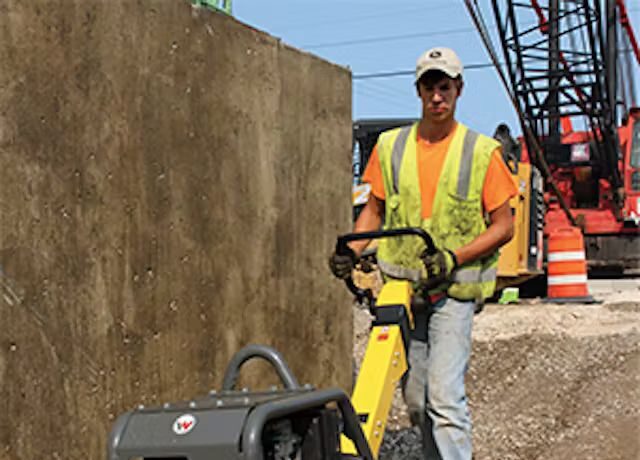
Trenchers come in various types, each suited for different tasks. The most common are walk-behind trenchers. These machines offer excellent maneuverability and are perfect for smaller jobs like installing irrigation or electrical lines.
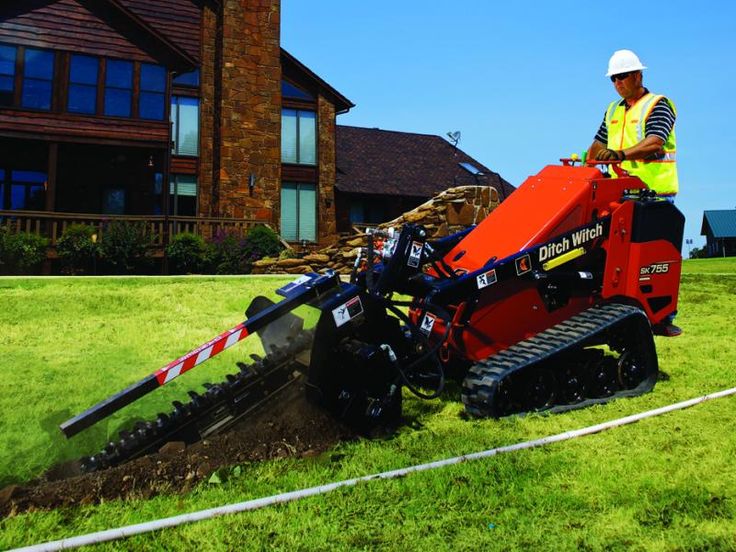
Then there are ride-on trenchers. These larger models can tackle bigger projects efficiently. They often have more power and depth capabilities, making them ideal for commercial landscaping or utility work.
Chain trenchers are another option, featuring a rotating chain with sharp teeth that cuts through the earth as it moves forward. They excel in tough soil conditions but require skilled operators. Australian Trancher Hire Company offers expert equipment and trained operators to handle trenching projects efficiently and safely.
There are vibratory trenchers that use vibrations to loosen soil before cutting it away. This method is less disruptive to the surrounding area and works well in sensitive environments. Choosing the right type depends on your specific project needs and site conditions.
Factors to Consider When Choosing a Trencher
When selecting a trencher, the first factor to examine is the type of soil you’ll be working in. Rocky or sandy terrains require different trenching capabilities.
Next, consider the depth and width of the trench needed for your project. Different models offer various cutting sizes, so choosing one that suits your specifications is crucial.
Power source plays a significant role as well. Gas-powered models often provide more torque but can be heavy. Electric options are quieter and cleaner but might lack power for tougher jobs.
Don’t forget about ease of operation. Look for features like adjustable handles and intuitive controls that enhance user experience.
Think about budget constraints. While it’s tempting to go for cheaper options, investing in quality equipment can save money on repairs down the line. Choosing wisely will make all the difference in efficiency and results.
Popular Brands and Their Features
When exploring trenchers, several prominent brands stand out for their reliability and innovative features.
Ditch Witch is a leader in the industry. Their machines are known for durability and advanced technology. Many models come equipped with GPS guidance systems, making precision digging easier than ever.
Vermeer offers an array of trenchers that excel in performance. They emphasize user comfort with ergonomic controls and spacious operator stations. This attention to detail enhances productivity on tough jobsites.
Case also deserves mention, particularly their compact trenchers designed for tight spaces. These models balance power with maneuverability, ideal for urban projects where space is limited.
Bobcat’s line of trenching equipment combines versatility with robust engineering. Known for ease of use, they cater well to both seasoned pros and novices alike. Each brand brings unique strengths suited to different project needs.
Maintenance and Safety Tips for Trenchers
When working with trenchers, proper maintenance and safety precautions are essential to ensure both the longevity of your equipment and the safety of everyone involved in the project. Regularly inspect your trencher for any signs of wear or damage. Check the cutting chain, belts, and hydraulic systems. Keeping these components in good shape can prevent costly repairs down the line.
Always keep your trencher clean after each use. Remove dirt and debris that can accumulate around moving parts. This not only extends its life but also enhances performance on future jobs.
Safety gear is a must when operating a trencher. Wear protective eyewear, gloves, and sturdy footwear to shield against potential hazards like flying debris or sharp edges. Make sure you’re familiar with all operational controls before starting work.
Before you begin trenching, assess your job site carefully. Look out for underground utilities such as gas lines or electrical wiring to avoid accidents that could cause significant harm or lead to service disruptions.
Training should never be overlooked either; ensure all operators are well-trained in using trenchers safely and efficiently. This includes understanding how to respond quickly in case of an emergency.
By prioritizing maintenance and adhering to safety guidelines, you’ll not only protect yourself but also boost productivity on every project involving a trencher.